Designed for building contractors

Total visibility, optimal decisions.

Delays, shortages, weather: optml analyzes the impact on your project and lays out the best paths forward, so you can keep that impact as small as possible.

Target performance

  • < 30 s to get the best solutions
  • 10+ future scenarios considered
  • 25% of the impact avoided, on average
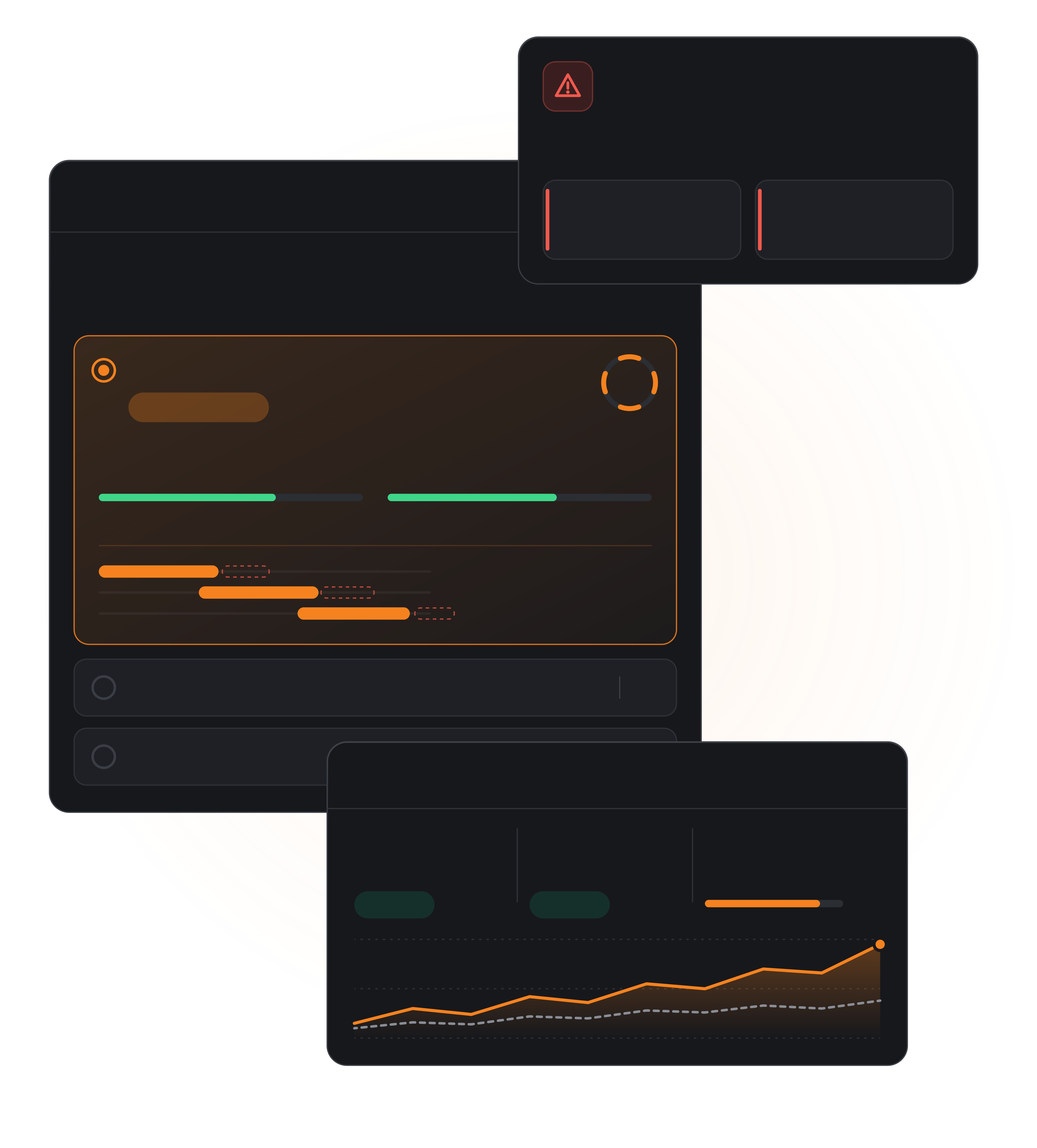
DISRUPTION Flagged Oct 9 Window delay
Material delay Floors 2 to 4
+6 days on the finish date +$8.8k in extra cost Resolve the disruption
Plan v1 · original Branch · window reaction
SOLUTION PATHS 3 viable options Partial delivery + enclosure Recommended Low risk 86score -4 days 67% of the delay recovered -$5.7k 64% of the cost avoided Apply Advance the partitions Medium risk -3 d 71 2nd install crew Dashboard Last 30 days DELAY AVOIDED 8days ▲ 89% COST AVOIDED $12.4k ▲ 64% UNFORESEEN EVENTS 5/ 6 resolved

An unforeseen event, dozens of future possibilities. Finding the right one takes days.

Reorganizing a job after an unforeseen event means juggling the trades, the deliveries, and the constraints of every task. The project manager spends hours on it, and the real consequences stay hard to see before they arrive.

Example. A delivery delay opens many futures. Most end in extra days, extra cost, high risk, or penalties. The optimal scenario is 1 extra day, $2,000 extra, and low risk.
  • Slow to replan

    Hours on the phone and in spreadsheets to rebuild a schedule that holds.

  • Hard to foresee

    The real consequences for the schedule, the costs, and the crews stay unclear until it is too late.

  • Easy to miss

    With so many possible combinations, the best scenario often goes unnoticed.

optml finds the right one in seconds.

Flag the unforeseen event, and optml works through every combination of trades, deliveries, and constraints for you. In under 30 seconds, you see each possible future with its delay, cost, and risk, and the optimal one is marked. No more hours of replanning, no consequences discovered too late, and the best decisions no longer go unnoticed.

From the file to the choice.

1

Bring the information in

The decision starts from the job you already have. Costs, drawings, quotes, and the schedule live in one place, so nobody has to rebuild the picture by hand before they can start using optml to its full potential.

2

Flag the unforeseen event

Flag the situation as soon as it happens, and optml takes care of the rest. A supplier falls behind. A drawing doesn't match the site. A delay shows up on a Friday. The unforeseen event is the starting point for the analysis and the solutions to consider.

3

Choose the optimal path

optml puts the future paths side by side. You see what each one does to the schedule, the cost, and the risk before you choose it. The choice is easier because every impact is clear.

Delays, risks, and costs, read together.

An unforeseen event never lands on a single line. It moves the date, the exposure, and the budget at the same time. optml keeps the three in one view and marks the future that is optimal. Decisions become obvious. The impacts stay concrete.

What it means in time and money.

Enter your project's value and duration. The estimate shows the expected total with the average delay and surplus, then the savings optml can bring.

1 Your project

That is 365 days on site.

2 Typical projection

initial value $5,000,000

expected surplus + $1,350,000

expected total cost $6,350,000

initial duration 365 days

expected delay + 40 days

expected total duration 405 days

3 With optml

could bring you

≈ $185,000 estimated savings

≈ 10 days of delay avoided

Not counting the management time you get back.

See how

Indicative estimate based on industry averages. Actual results vary from one project to another and do not constitute a guarantee of savings.

Become a pioneer contractor.

A small group of contractors is shaping optml with us.

  • Early access
  • Features guided by your jobsites
  • Preferred pricing at launch